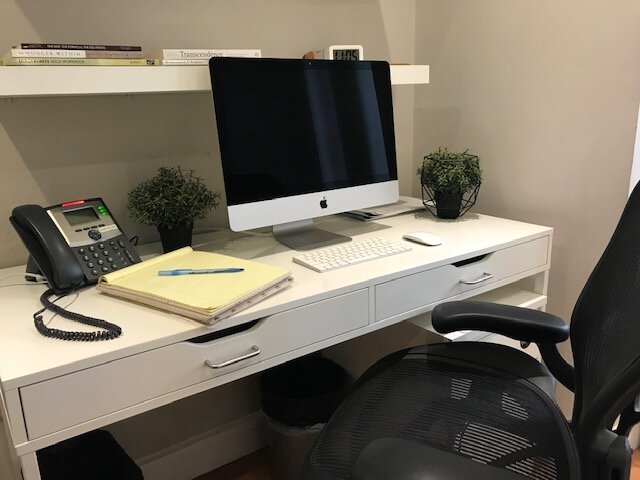
Getting help for your mind used to mean sitting in a waiting room. You had to find a clinic, take time off work, arrange a ride, and hope the office was close enough to reach. For a lot of people, those small hurdles turned into big reasons to put off care. Life got busy, the drive felt long, and the appointment slipped away again.
That picture has changed. Online mental health treatment now lets you meet with a therapist, counselor, or psychiatrist from your own home. You use a phone, tablet, or computer. You talk face to face over video, or by voice if that feels better. The care is real, the providers are licensed, and the support can be steady week after week. For many people, being able to log in from a quiet room removes the very thing that once stood in their way.
The idea sounds simple, yet a lot of good questions sit underneath it. How does a session actually run? Who is a good fit for it? What can it treat, and what still calls for in-person care? The answers are more encouraging than most people expect.
Key Takeaways
Online mental health treatment is professional care for your mind delivered over video, phone, or a secure app, and for many common conditions it works about as well as sitting in the same room. It gives people a private, flexible way to start therapy or psychiatry without travel, and it can support both mental health and addiction recovery. You connect with a licensed provider, build a plan together, and keep meeting on a schedule that fits your life.
|
Question |
Short Answer |
|
What is it? |
Licensed mental health care delivered by video, phone, or secure app |
|
Does it work? |
For many common conditions, it can be as effective as in-person care |
|
Who is it for? |
Busy people, rural or homebound clients, and anyone who values privacy |
|
What can it treat? |
Anxiety, depression, bipolar disorder, trauma, and addiction, among others |
|
How do I start? |
Reach out, complete an assessment, and get matched with a provider |
|
Does insurance help? |
Many plans cover telehealth sessions, often like in-person visits |
Cast Centers has spent years helping people find steady footing, and much of that support is now available online so care can meet you wherever you feel safe.
What Is Online Mental Health Treatment?
Online mental health treatment is talk therapy, counseling, and psychiatric care that happens over a screen instead of in a clinic. A licensed provider joins you through a secure video call or phone line. You share what is going on, they listen, and together you work through it. The tools are digital, but the relationship at the center is the same one you would build in person.
You may hear a few different words for this kind of care. They overlap, and it helps to know how they fit together.
- Telehealth is the broad umbrella. It covers any health service delivered by phone, video, or connected app.
- Telemedicine and telepsychiatry usually point to the medical side, like a psychiatrist doing an evaluation or managing medication by video.
- Online therapy and virtual counseling usually mean sessions with a therapist or counselor who helps you work through thoughts, feelings, and habits.
When people search for telehealth mental health, they are often picturing all of these at once. In practice, a single treatment plan can mix them. You might see a therapist every week and check in with a psychiatrist once a month, all from the same living room.
The words “telehealth,” “telemedicine,” and “virtual care” get used almost interchangeably in everyday talk. What matters most is not the label but the fact that a real, licensed professional is on the other end of the call.
This kind of care is not a chatbot or a self-help app running on its own. A trained human is guiding the work. Behind the scenes, sessions run on private, encrypted platforms built to protect your health information, which keeps your conversations confidential.
How Online Mental Health Treatment Works, Step by Step
People often imagine that virtual care must be complicated. It rarely is. Once you know the pieces, the whole thing feels natural. Here is what online mental health treatment usually involves from your first message to your ongoing sessions.
- You reach out. A call, a form, or a message starts the process. You do not need a diagnosis or the perfect words. A simple “I think I need help” is enough to begin.
- You complete an assessment. A staff member or clinician asks about your history, your symptoms, and your goals. This helps match you with the right provider and the right level of care.
- You get matched with a provider. You are paired with a therapist, counselor, or psychiatrist who fits your needs. If the first match does not feel right, a good program will help you switch.
- You set up the tech. You get a link or an app. Most platforms work on a basic smartphone or laptop with a camera. A quiet, private spot and a steady internet connection are all you really need.
- You attend live sessions. You meet face to face over video at a set time. You talk, the provider guides, and you leave with something to work on. Sessions feel a lot like in-person visits once you settle in.
- You build a plan together. Your provider helps you set goals and choose tools that fit your life. The plan can include coping skills, homework, journaling, or gentle changes to daily habits.
- You manage medication when needed. If medicine is part of your care, a psychiatric provider can evaluate you and adjust prescriptions by video, then track how you respond over time.
- You join group sessions when they help. Many programs offer online group therapy. Meeting others who understand what you are going through builds a sense of community, even through a screen.
- You keep going and adjust as you grow. Care is not one and done. You meet on a schedule, review your progress, and change the plan as you improve. Over time, sessions may space out.
Each step is designed to lower the effort it takes to get help. You control the setting, you skip the commute, and you still get a full course of care. To see how structured virtual programs run, many providers describe their online treatment options in plain language on their websites.
The biggest reason people avoid mental health care is not lack of desire. It is friction. Every step above removes a piece of that friction, which means more people actually start and stay in treatment.
Benefits of Online Therapy
The appeal of virtual care goes beyond skipping a drive. Once you look closely, the advantages add up in ways that decide if someone gets help at all. Online therapy removes barriers that used to block care for good.
- No travel, no commute. You save the time and stress of getting to an office. That alone can turn a “someday” into a real appointment this week.
- More flexible scheduling. Virtual visits can often be booked with less notice and at hours that fit around work, school, or caregiving.
- Care from a private, safe space. You choose where you sit. Being in your own room can help you open up faster than a strange office might.
- Wider access to providers. You are not limited to clinics within driving distance. You can reach specialists who fit your specific needs.
- Easier consistency. Because sessions are simpler to attend, people tend to miss fewer of them. Steady care is often what drives real progress.
- Lower stigma. No one sees you walk into a clinic. For people who worry about being noticed, that privacy matters.
- Support during hard stretches. When getting out of the house feels impossible, logging in is still doable. Care stays within reach on your toughest days.
National health experts back this up. According to the National Institute of Mental Health, virtual care can be effective for conditions like anxiety, depression, bipolar disorder, and PTSD, and it offers real convenience and flexibility. The American Psychiatric Association has also noted that psychiatry delivered by video can match in-person care on diagnostic accuracy, quality, and patient satisfaction.
If a busy schedule keeps getting in the way, an evening online IOP can bring structured group and individual support into the hours after work, so treatment fits your life instead of fighting it.
Remote care is not a brand-new invention. Doctors and mental health professionals have used phone and video visits for decades to reach patients in far-off or underserved areas. The tools simply got easier and more common in recent years.
Who Can Benefit from Virtual Mental Health Care?
Online care is broad by design, so a wide range of people find it useful. Still, it shines brightest for certain situations. If any of these sound like you, virtual care may be a strong fit.
- Busy people with packed calendars. Parents, students, and professionals often struggle to fit an office visit into the day. A lunchtime or evening video session solves that.
- People in rural or remote areas. When the nearest specialist is hours away, virtual care closes the distance. Virtual therapy for mental health brings expert help to towns that may have very few local providers.
- Those with limited mobility. For people who find travel hard due to health, disability, or lack of transportation, logging in beats loading up the car.
- Anyone who values privacy. Some people simply feel safer opening up from home. Virtual sessions keep care discreet.
- People easing into treatment. For someone nervous about their first therapy visit, starting from a familiar space can lower the fear.
- Clients continuing their recovery. After a more intensive program, online sessions and aftercare planning can keep support going without a daily commute.
- Caregivers and homebound individuals. People who cannot easily leave a loved one, or their own home, can still get consistent care.
Virtual care is not only for mild concerns, either. People managing serious conditions can benefit too, often as part of a plan that blends online and in-person support. The Substance Abuse and Mental Health Services Administration points out that telehealth can reduce barriers to care like distance, stigma, and the competing demands of work and family.
Virtual care is a great fit for many people, but not everyone or every moment. Someone in an acute crisis, or in need of hands-on medical care, may need in-person help first. A good program will tell you honestly which setting fits you best.
Conditions That Can Be Treated Through Telehealth
One of the most common questions is a fair one. Can serious conditions really be handled over a screen? For many of them, the answer is yes. Research and clinical experience show that a wide set of concerns respond well to virtual care.
Here are conditions that online programs frequently support:
- Anxiety disorders. Video sessions work well for teaching calming skills and gently facing fears. Structured help for anxiety can be delivered online with strong results.
- Depression. Talk therapy, skill building, and medication management for depression care all translate smoothly to a virtual format.
- Bipolar disorder. Ongoing therapy and psychiatric check-ins help people manage mood shifts, and much of this can happen by video. Support for bipolar disorder often blends counseling with careful medication tracking.
- Trauma and PTSD. Evidence suggests that trauma-focused therapy delivered by video can work about as well as in-person sessions for many people.
- Stress and burnout. Not every reason to seek help is a diagnosis. Virtual sessions are a practical way to work through pressure before it grows.
- Addiction and substance use. Counseling, relapse prevention, and group support for drug abuse treatment can be provided online, often alongside medical care.
- Dual diagnosis. When a mental health condition and a substance use issue happen together, coordinated dual diagnosis care treats both at once, and telehealth can hold that plan together.
The list keeps growing as more programs move parts of their care online. What ties these together is that they respond to talk, structure, skills, and steady support, all of which travel well over video. For broader mental health treatment needs, an online plan can often serve as the backbone of care.
Online Therapy for Addiction and Recovery
Addiction care deserves its own note, because it often needs more than one kind of support at once. A strong plan can combine individual counseling, group therapy, and medical oversight. Virtual tools let a program deliver all three without asking someone to be in a building every day.
For many in recovery, online group sessions recreate the sense of community that helps people stay on track. You see familiar faces, share honestly, and hear that you are not alone. Add in one-on-one therapy and, when appropriate, medication support, and a full recovery plan can run largely from home. A structured intensive outpatient program is one common way this all comes together, with several sessions each week that fit around daily responsibilities.
What Online Treatment Can and Cannot Do
Being honest about limits builds trust, so it is worth naming them plainly. Virtual care is powerful, yet it is one tool among several. Knowing its edges helps you use it well.
Online treatment tends to work best for:
- Talk therapy and counseling
- Psychiatric evaluations and medication check-ins
- Group therapy and peer support
- Skill building, coaching, and follow-up care
- Ongoing support after a more intensive program
Online treatment may fall short when someone needs:
- Hands-on medical care or lab work
- Round-the-clock supervision during a severe crisis
- Medical detox that requires close monitoring
- Higher levels of care that call for a physical setting
The good news is that these are not either-or choices. Many people move between virtual and in-person care as their needs change. Someone might begin with in-person care during a hard stretch, then shift to online sessions as they stabilize. The setting can flex around the person, which is exactly the point.
Before your first video session, do a quick tech check. Test your camera, mic, and internet the day before. Pick a quiet, private spot with good light, and keep a glass of water and some notes nearby. Small prep makes the session feel calm and easy.
How to Get Started With Online Treatment
Starting is often the hardest part, and it is also the simplest to explain. The path from “I need help” to “I have my first appointment” usually takes only a few clear steps.
- Reach out. Call, fill out a form, or send a message to a program that offers virtual care. You can ask questions before committing to anything.
- Talk through an assessment. A staff member or clinician learns about your situation. This conversation is confidential, and there are no wrong answers.
- Check your coverage. Ask what your plan covers. Many insurers treat telehealth sessions much like in-person visits, and a program can help you check your insurance benefits so there are no surprises.
- Get matched and scheduled. You are paired with the right provider and set up with your first session time.
- Log in and begin. You join your first video visit, meet your provider, and start building your plan together.
The right program will meet you with patience at every step. If you feel unsure, that is normal. Reaching out does not lock you into anything. It simply opens a door.
When you call, jot down two or three things you want help with. It can be as plain as “I feel anxious most days” or “I keep losing sleep.” Naming a starting point helps your provider tailor care from the very first session.
Ready to take that first step? Reach out to Cast Centers for a confidential conversation, and the team will walk you through your options at a pace that feels comfortable.
Why Choose CAST Treatment Centers
Plenty of places offer virtual sessions. What sets a strong program apart is how thoughtfully it fits care to the person. That is where Cast Centers focuses its energy.
The team builds care around you rather than around a rigid script. Their personalized approach, shaped by their alignment model, looks at the whole person, your history, your goals, and the life you actually live. From there, the plan is tailored to match.
A few things make the experience feel steady and human:
- Licensed, experienced providers who deliver real clinical care, not surface-level advice.
- Flexible formats that blend individual therapy, group sessions, and psychiatric support.
- Programs that fit real schedules, including evening options for people who work during the day.
- Support for both mental health and addiction, including coordinated care when the two overlap.
- A focus on the long game, with aftercare and ongoing support so progress holds after the intensive work is done.
- Help understanding insurance and family support, so the logistics do not become one more barrier. A strong family support program can also bring loved ones into the process.
The goal is simple. Care should feel like a partnership, and it should reach you where you are. Online treatment is one of the clearest ways to make that happen.
Conclusion
Not long ago, getting help meant clearing a long list of hurdles before you ever sat down with a provider. Today, online mental health treatment clears most of those hurdles for you. You can meet a licensed therapist or psychiatrist from your own home, build a real plan, and keep steady support in your life without the drive, the waiting room, or the worry about being seen.
The care is genuine, the science supports it, and the door is open to a wide range of people and conditions. Anxiety, depression, trauma, and addiction can all find a footing in virtual care, often as part of a plan that flexes between online and in-person support as your needs shift. The point is not the screen. The point is that help now meets you where you feel safe.
If something inside you has been waiting for the right moment, this can be it. You do not have to sort it all out first. You only have to reach out.
You never have to face any of this alone. Connect with Cast Centers today, and let a caring team help you build a plan that fits your life, one steady session at a time.
FAQs
Is online mental health treatment as effective as in-person care?
For many common conditions like anxiety and depression, research suggests virtual care can work about as well as meeting in person. The best setting depends on your needs, and a provider can help you decide.
Does insurance cover online therapy?
Many insurance plans now cover telehealth sessions, often at rates similar to in-person visits. It is smart to confirm your specific benefits with the program or your insurer before you start.
Do I need special equipment for virtual therapy for mental health?
In most cases, a smartphone, tablet, or computer with a camera and a steady internet connection is all you need. Programs send a secure link or app, and a quiet, private space rounds out the setup.
Can a psychiatrist prescribe medication through telehealth?
Yes, in many situations a psychiatric provider can complete an evaluation and manage medication by video. Some prescriptions have extra rules, so your provider will explain what applies to your care.
Is online treatment private and confidential?
Reputable programs use secure, encrypted platforms built to protect your health information. Your sessions stay confidential, much like they would in a traditional office.
Can online care help with addiction, not just mental health?
Yes. Counseling, relapse prevention, group support, and coordinated care for co-occurring conditions can all be delivered virtually, often alongside medical support when it is needed.
What if I am in crisis right now?
Online therapy is not for emergencies. If you are in danger or having thoughts of suicide, call or text 988 to reach the Suicide and Crisis Lifeline, or call 911 for immediate help.
How do I know if virtual care is right for me?
If travel, time, or privacy have kept you from getting help, virtual care may be a strong fit. A quick assessment with a program can confirm the best level of care for your situation.

